Is Health IT Ready for Social Determinants of Health-Focused Clinical Decision Support

0 Comments

Introduction Healthcare is increasingly recognizing that health outcomes are influenced not only by biological factors and clinical care but also by social determinants of health (SDOH)—the conditions in which people are born, grow, live, work, and age. These social factors include socioeconomic status, education, neighborhood and physical environment, employment, social support networks, and access to […]


Looking Forward: HTI-2 & ONC’s Commitment to Furthering the Vision of Better Health Enabled by Data

0 Comments

Introduction The landscape of healthcare is undergoing a transformative shift driven by advancements in health data technology and a collective commitment to improving health outcomes. Central to this evolution is the vision articulated by the Department of Health and Human Services (HHS) and its Office of the National Coordinator for Health Information Technology (ONC), which […]

Advancing Nationwide, Trusted Health Information Networks

0 Comments

Introduction In an era marked by rapid technological advancements and a proliferation of digital information, the importance of trusted health information networks has never been more critical. These networks serve as the backbone for disseminating accurate, timely, and reliable health data to a diverse array of stakeholders, including healthcare providers, patients, policymakers, researchers, and the […]

Health IT Challenges and the Future of Healthcare

0 Comments

Introduction The rapid advancement of health information technology (Health IT) has fundamentally transformed the landscape of healthcare delivery worldwide. From electronic health records (EHRs) and telemedicine to artificial intelligence (AI) and blockchain, innovative digital solutions promise to enhance patient outcomes, improve efficiency, and foster personalized medicine. However, the journey toward a fully integrated, patient-centric digital […]

What Makes TEFCA Different: New Standard Operating Procedure Strengthens Trust

0 Comments

Introduction In the evolving landscape of health information exchange (HIE), establishing trust among stakeholders—patients, providers, health IT developers, and regulators—is paramount. The Trusted Exchange Framework and Common Agreement (TEFCA), initiated by the U.S. Department of Health and Human Services (HHS), aims to create a unified, nationwide framework for health data sharing. A key element in […]

Unveiling the Redesigned SITE: A Unified Testing Hub for Health IT Developers

0 Comments

Introduction In the rapidly evolving landscape of health information technology (Health IT), innovation, interoperability, and security are paramount. Developers, healthcare providers, regulators, and patients all stand to benefit from a robust, reliable, and accessible testing environment that fosters innovation while ensuring compliance and safety. Recognizing these needs, the Site for Testing and Integration Environment (SITE) […]

Three Quick Points about the 2024 HHS AI Use Case Inventory

0 Comments

Introduction The Department of Health and Human Services (HHS) has historically played a pivotal role in advancing health innovation, policy, and technology integration. In 2024, the HHS AI Use Case Inventory emerges as a significant strategic initiative aimed at harnessing artificial intelligence (AI) to transform health services, improve outcomes, and ensure ethical, equitable, and effective […]

How Using Opioids for Acute Pain is Like Burning Coal for Energy

0 Comments

Introduction Throughout history, humanity has sought efficient and accessible sources of energy to power societies, fuel industry, and improve living standards. Coal, for centuries, has been a primary energy source—abundant, reliable, and inexpensive—yet its environmental and health costs have grown increasingly apparent. Similarly, in medicine, opioids have long been the mainstay for managing acute pain—widely […]

PCMH Fails Natural Experiment

0 Comments

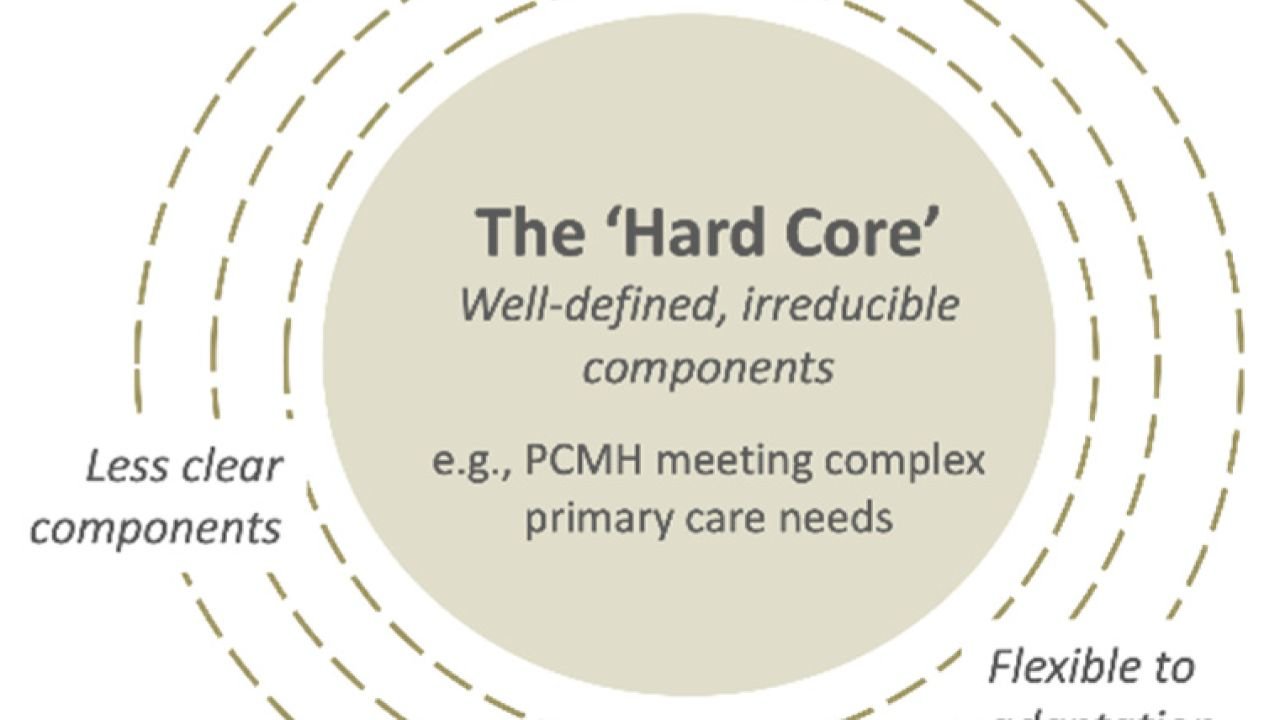
Introduction The Patient-Centered Medical Home (PCMH) model has been heralded as a transformative approach to primary care, emphasizing comprehensive, coordinated, accessible, and patient-centered services. Launched to improve quality, reduce costs, and enhance patient experience, the PCMH concept has garnered significant policy and financial support. However, empirical evaluations reveal mixed or disappointing results, raising questions about […]

Men, Women and Health Care Pricing Theory: Speaking Different Languages

0 Comments

Introduction Health care systems and policies often operate under assumptions rooted in generalized economic and social theories. However, gender differences between men and women—biological, psychological, social, and economic—can lead to divergent experiences and perceptions of health care costs and value. This divergence can create a “language gap,” where men and women interpret, respond to, and […]